
- Home
- Services
- Locations
Amesbury, MA
Boxford, MA
Chelmsford, MA
Danvers, MA
Dracut, MA
Essex, MA
Georgetown, MA
Groveland, MA
Hamilton, MA
Haverhill, MA
Ipswich, MA
Merrimac, MA
Methuen, MA
Middleton, MA
Newbury, MA
Newburyport, MA
North Andover, MA
North Reading, MA
Peabody, MA
Rowley, MA
Salem, MA
Salisbury, MA
Tewksbury, MA
Topsfield, MA
Topsfield, MA
West Newbury, MA
Atkinson, MA
Derry, NH
East Kingston, NH
Kensington, NH
Kingston, NH
Londonderry, NH
Plaistow, NH
Salem, NH
- Company
- Contact
- Home
- Services
- Locations
Amesbury, MA
Boxford, MA
Chelmsford, MA
Danvers, MA
Dracut, MA
Essex, MA
Georgetown, MA
Groveland, MA
Hamilton, MA
Haverhill, MA
Ipswich, MA
Merrimac, MA
Methuen, MA
Middleton, MA
Newbury, MA
Newburyport, MA
North Andover, MA
North Reading, MA
Peabody, MA
Rowley, MA
Salem, MA
Salisbury, MA
Tewksbury, MA
Topsfield, MA
Topsfield, MA
West Newbury, MA
Atkinson, MA
Derry, NH
East Kingston, NH
Kensington, NH
Kingston, NH
Londonderry, NH
Plaistow, NH
Salem, NH
- Company
- Contact
Vinyl Siding Installation in Dracut, MA
Dracut is a mix of older ranch and cape neighborhoods off Bridge Street and Broadway, newer construction near the Lowell line, and a fair number of homes backing up to woods and wetland buffers along the Merrimack and Beaver Brook. That tree cover keeps siding damp longer after storms and gives you more granular debris and moss pressure on the north and shaded sides of a house than a wide-open lot would. If your siding is original to a home built in the 80s or 90s, it is old enough that the panels have likely gone brittle, faded unevenly, and started to gap at the corner posts.
Vinyl Siding Installation in Dracut
Siding and roofing tend to get talked about separately, but on most jobs they are the same conversation. If your roof is due, the siding is usually not far behind it, and doing both at once means one set of staging, one crew on site, and one punch list instead of two. We install vinyl siding as its own project or bundled with a roof replacement, and either way you get the same crew and the same point of contact from the first look to the final walk-through.
We work with standard double-4 and double-5 profiles as well as heavier-gauge and insulated vinyl where a homeowner wants better sound and thermal performance against an exterior wall. We also handle the trim work that actually makes siding look finished – fascia, soffit, corner posts, and window and door casing – because a siding job that skips the trim is a siding job that looks unfinished in five years.
Deck-mounted
units fasten straight to the roof deck and use a matched step-flashing kit. This is what goes on most pitched roofs now. It sits low, looks clean and handles snow well.
Curb-mounted
units sit on a raised wood frame built on the roof. They are the right call on low-slope sections, generally below about 3 in 12, and a lot of older installs already have them.
Fixed
units let in light and nothing else. Fine over a high cathedral ceiling you will never reach.
Manual or electric venting
units open to let heat and steam out. They earn their keep in kitchens and bathrooms.
Solar-powered venting
units run off a small panel, need no wiring to the house, and close on their own when the rain sensor gets wet.
What Dracut roofs and siding are up against
Roofing demand across the Merrimack Valley right now is driven by two things happening at once. A wave of subdivisions built through the 1990s and early 2000s are all hitting the twenty to twenty-five year mark on their original architectural shingles in the same few years, so a lot of roofs that were fine five years ago are failing now, all around the same time. And the older mill-city and pre-war housing stock common in this part of the valley carries a lot of low-slope rear additions and porch roofs that fail well before the main roof does, because they were built with less pitch, less flashing detail, and less ventilation to begin with.
Siding on these same homes takes its own kind of beating. Panels installed in that same 90s and 2000s window are old enough that the color coat has chalked out and the lock strips have gone brittle, so panels crack in cold weather instead of flexing. Dracut’s mix of open subdivision lots and shaded lots near the river and conservation land means some houses get more wind-driven rain pushed up under loose panels, while others hold onto moisture longer under tree cover and show mildew streaking on the north wall first. Either way, the fix is usually the same: strip it back to the sheathing, check what is underneath, and start clean.
How we assess it
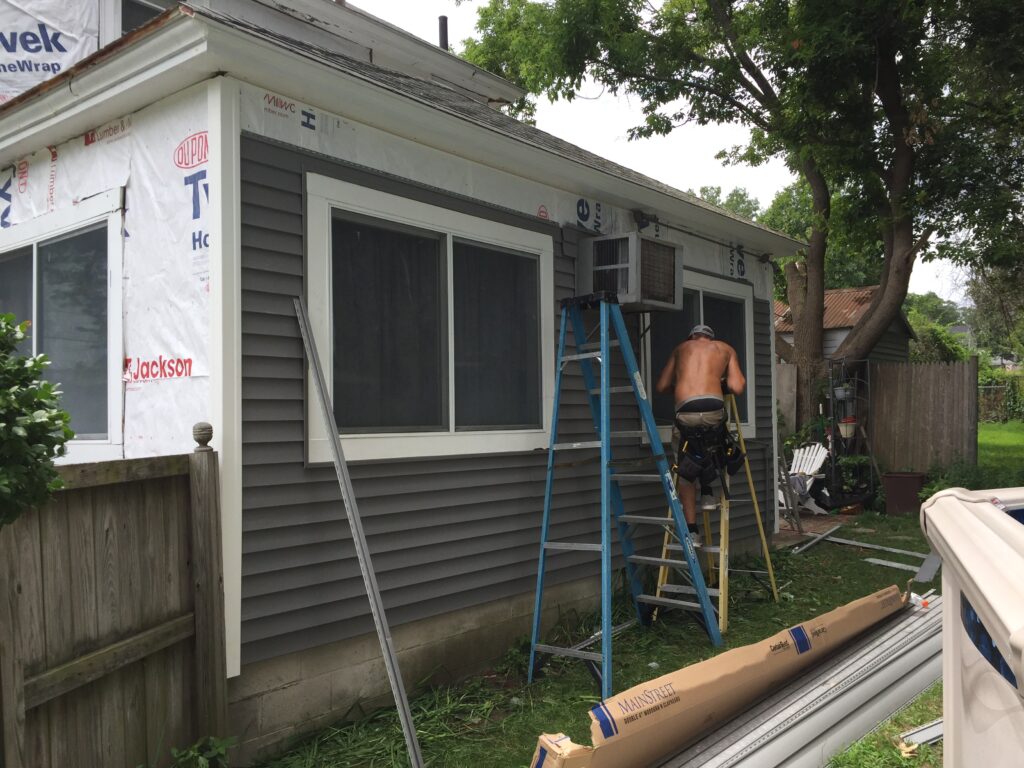
Before we quote anything, Derek or one of our crew leads gets on a ladder and looks at the actual wall and roof assembly, not just the surface. On siding, that means pulling a panel or two to check the sheathing and house wrap underneath, looking at flashing around windows, doors, and the band board, and checking for soft spots where water has been getting behind the existing siding without anyone noticing from the ground. If we’re on site for a roof at the same time, we check decking condition, flashing at chimneys and valleys, and ridge and soffit ventilation from inside the attic where we can, because a roof without proper intake and exhaust ventilation will bake and rot the roof deck and the siding both.
We give you a straight answer about what we find before we talk about product or price. If the sheathing is solid and the issue is old, brittle panels, that’s a straightforward re-side. If there’s rot or moisture damage behind the siding, we tell you that up front and price the repair separately so you know exactly what you’re paying for and why.
What the job involves
Replacement
We strip the shingles around the unit, pull the old skylight and flashing, repair the deck at the opening if it needs it, and set the new unit. Ice and water shield wraps up the sides and across the top, the step-flashing kit goes on, and we shingle back in. If the new unit matches the rough opening, the interior usually stays as it is. On a full roof replacement in Dracut, MA, all of this fits inside the reroof. The shingles are already off, the deck is exposed, and the new underlayment and flashing tie in as one system.
New cut-in
We lay out the opening from inside and out, cut the deck, and frame headers between the rafters. Ventilation gets rerouted so the bays above and below the opening still breathe. Then the unit, ice and water shield, flashing and shingles. Inside, a new opening means a light shaft through the attic, drywall and paint. That interior work is part of the conversation at the estimate, and we settle who handles what before anything is scheduled.
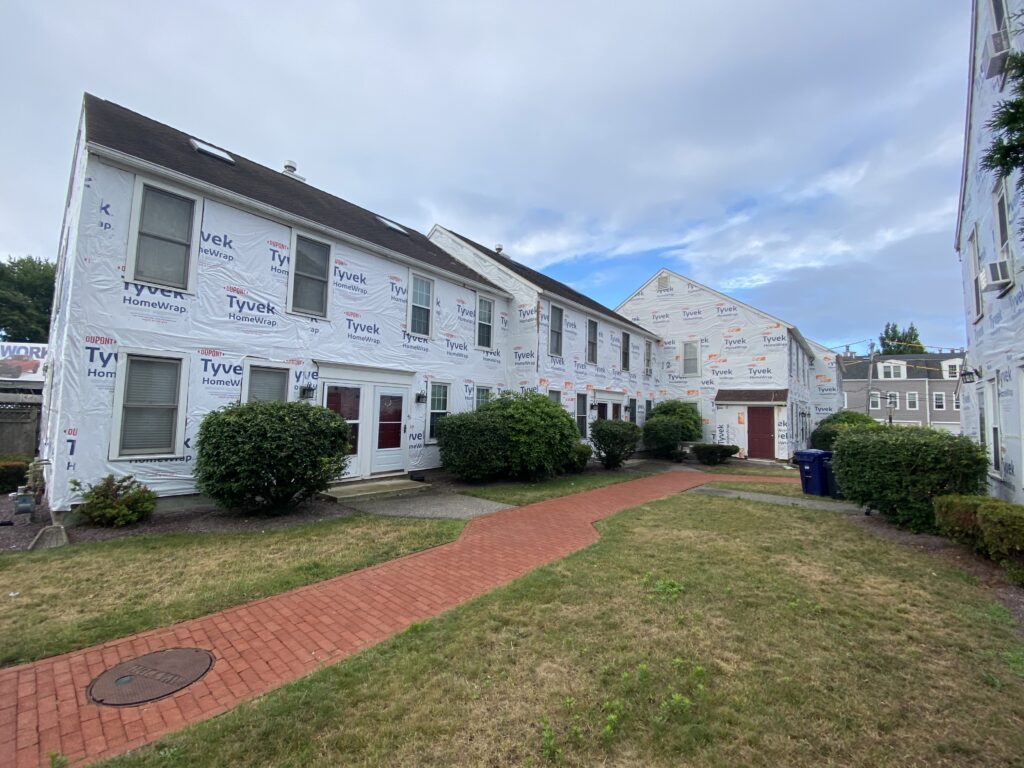
A full siding job starts with stripping the old siding down to the sheathing, not covering over it. We check and replace any damaged sheathing, install house wrap or a weather-resistant barrier where it’s missing or degraded, and flash all windows, doors, and penetrations properly before a single piece of new siding goes up. Corner posts, J-channel, starter strip, and trim all get installed to manufacturer spec, because vinyl siding fails at the details – a loose starter strip or a corner post nailed too tight – long before the field panels themselves give out.
If we’re doing a combined roof and siding job, we sequence the work so the roof goes on first and any flashing that ties into the siding at wall intersections gets done once, correctly, instead of getting patched twice by two different crews on two different visits.
What it costs
Vinyl siding jobs in Dracut typically run {PRICE_LOW} to {PRICE_HIGH} for a full re-side, and the number moves based on the size and height of the house, how much trim and detail work is involved, whether we’re stripping one layer or multiple layers of old siding, and what we find once the old siding comes off. A house with rotted sheathing behind a section of wall costs more to fix right than a house where the sheathing is sound and we’re doing a clean tear-off and re-side. We’ll never give you a number before we’ve actually looked at the house, and we won’t pad a quote to cover surprises we haven’t found yet.
How long it takes
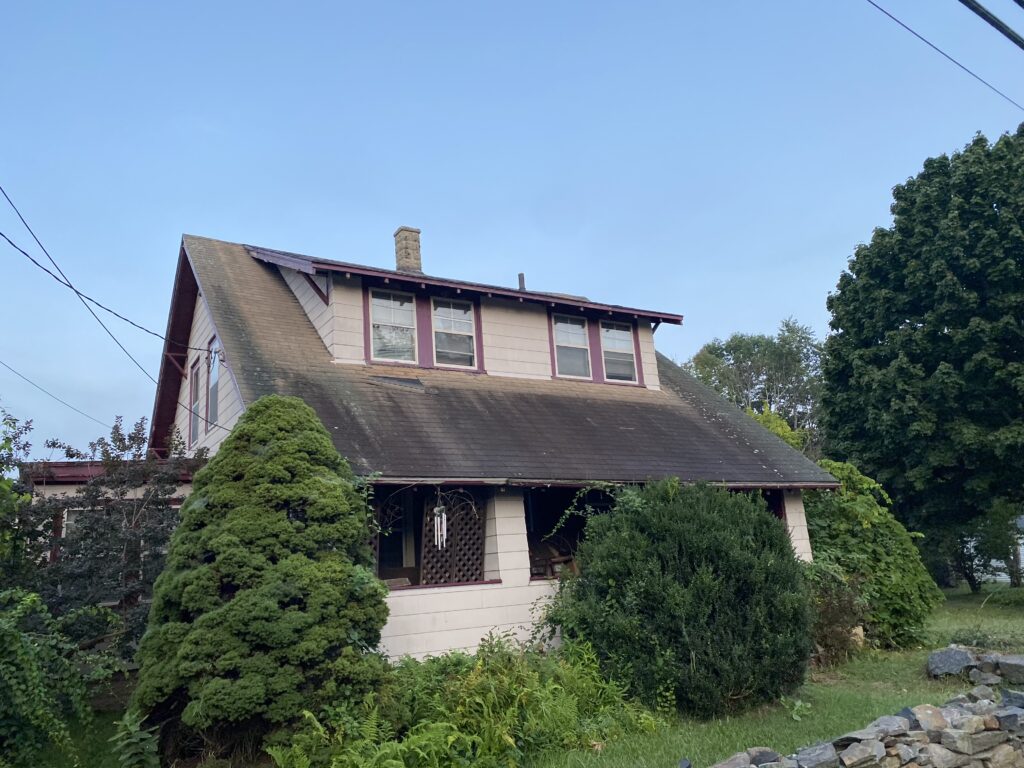
Most single-family siding jobs in Dracut take three to six working days from tear-off to finished trim, depending on the size of the house and how much of the sheathing needs attention along the way. Weather plays a role too – vinyl installs best above freezing, and panels installed too cold can crack instead of flexing into place. If we’re doing a combined roof and siding project, we sequence both crews so the house is weathertight as fast as possible and you’re not looking at an open wall or a stripped roof deck overnight.
Questions Dracut homeowners ask us
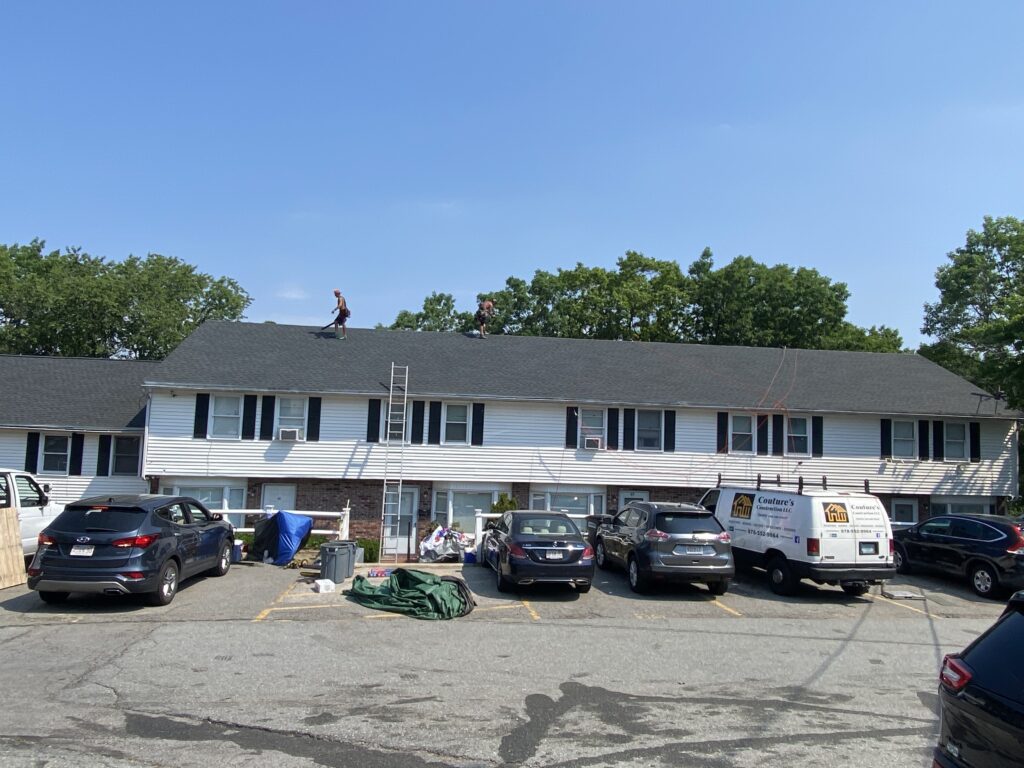
Still weighing your options before committing to new siding? Here are a few things homeowners in Dracut often want clarified before we get started.
- Can you match my existing trim or color? Yes, we work with your home’s current style or help you choose a fresh look.
- Will old siding need to be removed? We evaluate this during your assessment.
- Do you handle insurance paperwork? We can assist with documentation.
Have a different question? Just reach out and ask.
Do I need to replace my roof and siding at the same time?
No. Plenty of homeowners do one or the other on its own. But if both are getting old at the same time, which is common on Dracut homes built in the 90s and early 2000s, doing them together saves you a second round of staging and scheduling.
How do I know if my siding needs replacing or just a repair?
If the damage is limited to a few cracked or missing panels and the sheathing underneath is dry and solid, a repair is the honest answer and we'll tell you that. Widespread brittleness, fading, or moisture behind multiple sections is when a full re-side makes more sense.
What vinyl siding thickness or profile do you recommend?
It depends on the house and the budget. Standard double-4 and double-5 vinyl works well on most homes. Heavier-gauge or insulated vinyl costs more but holds up better to impact and adds a bit of thermal and sound performance against the wall.
Can vinyl siding be installed in cold weather?
It can, within limits. Vinyl gets brittle in freezing temperatures and can crack if it's forced into place too cold, so we plan installs around the weather rather than pushing a schedule that risks damaging new material.
Will new siding fix drafts or high heating bills?
Ready to talk siding?
Reach out to Couture’s Construction and tell us about your Dracut home: how old the current siding is, whether you’re seeing gaps or warping, and what look you’re after. We’ll schedule a visit to measure the house, check the sheathing underneath, and walk you through material and color options before putting together a quote.